

How does the speed of an electric Scooter For Speed compare to a gas - powered one?
When it comes to the world of scooters, speed is often a defining factor for many riders. Whether it's for commuting quickly through city streets or enjoying a thrilling ride on open roads, the speed of a scooter can significantly enhance the overall experience. As a supplier of Scooter For Speed, I've had the opportunity to closely examine and compare the speed capabilities of electric scooters and gas-powered ones. In this blog, I'll delve into the details of how these two types of scooters stack up against each other in terms of speed.
Understanding the Basics of Electric and Gas-Powered Scooters
Before we jump into the speed comparison, let's briefly understand the fundamental differences between electric and gas-powered scooters. Electric scooters are powered by rechargeable batteries that drive an electric motor. They are known for their quiet operation, low maintenance requirements, and eco-friendliness. On the other hand, gas-powered scooters rely on internal combustion engines that burn gasoline to generate power. These scooters are often associated with higher power outputs and longer ranges.
Acceleration: Electric Scooters' Edge
One of the key advantages of electric scooters when it comes to speed is their acceleration. Electric motors deliver instant torque, which means they can quickly reach high speeds from a standstill. This is particularly beneficial in urban environments where riders need to accelerate rapidly to keep up with traffic or navigate through congested areas. For example, many electric scooters can go from 0 to 20 mph in just a few seconds, providing a smooth and responsive acceleration experience.
In contrast, gas-powered scooters typically have a more gradual acceleration curve. The internal combustion engine needs to build up RPMs (revolutions per minute) to generate power, which can result in a slight delay when starting from a stop. However, once the engine reaches its optimal RPM range, gas-powered scooters can offer impressive acceleration, especially at higher speeds.

Top Speed: Gas-Powered Scooters Take the Lead
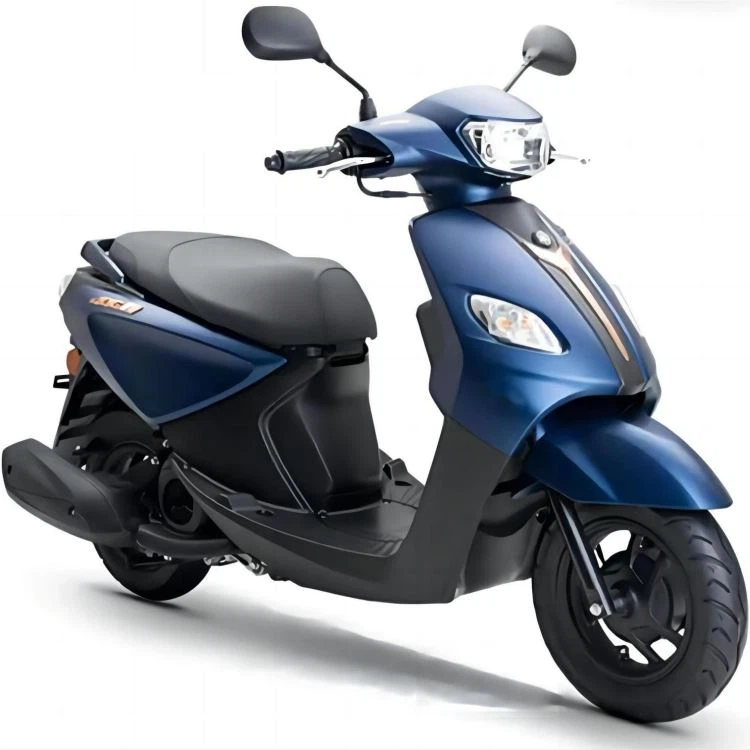
While electric scooters excel in acceleration, gas-powered scooters generally have a higher top speed. The power output of a gas engine allows these scooters to reach and maintain higher velocities for extended periods. Many high-performance gas-powered scooters can achieve top speeds of 60 mph or more, making them suitable for highway riding and long-distance travel.
Electric scooters, on the other hand, typically have lower top speeds. Most consumer-grade electric scooters have a top speed in the range of 30 to 40 mph. However, there are some high-end electric scooters that can reach speeds of up to 60 mph, but these models are often more expensive and less common.
Factors Affecting Speed
Several factors can influence the speed of both electric and gas-powered scooters. These include the scooter's weight, aerodynamics, motor or engine power, and battery capacity (for electric scooters). Additionally, the terrain and riding conditions can also have a significant impact on speed. For example, riding uphill or against strong winds will naturally reduce the scooter's speed, regardless of whether it's electric or gas-powered.
Examples of High-Speed Scooters
To illustrate the speed capabilities of different types of scooters, let's take a look at some specific models. The S5 Scooter Motorcycle is a popular gas-powered scooter known for its high performance and speed. With a powerful engine and sleek design, it can reach top speeds of up to 65 mph, making it a great choice for riders who crave speed and excitement.
On the electric side, the Land Rover Scooter is a high-end model that offers impressive speed and performance. It can accelerate quickly from 0 to 30 mph and has a top speed of around 45 mph, making it suitable for both urban commuting and short trips.
Another option is the High Power Scooter, which comes in both electric and gas-powered versions. The electric model offers a balance of speed and efficiency, with a top speed of up to 40 mph and a range of up to 50 miles on a single charge. The gas-powered version, on the other hand, can reach higher speeds and has a longer range, making it ideal for longer rides.
Considerations for Choosing a Scooter Based on Speed
When choosing a scooter based on speed, it's important to consider your specific needs and preferences. If you primarily use your scooter for short commutes in the city, an electric scooter with good acceleration may be the best choice. On the other hand, if you plan to take longer trips or ride on highways, a gas-powered scooter with a higher top speed may be more suitable.
It's also important to consider other factors such as safety, comfort, and cost. Make sure to choose a scooter that is equipped with reliable brakes, good suspension, and other safety features. Additionally, consider the cost of purchasing, maintaining, and fueling the scooter over time.
Conclusion
In conclusion, both electric and gas-powered scooters have their own advantages and disadvantages when it comes to speed. Electric scooters offer quick acceleration and are ideal for urban commuting, while gas-powered scooters generally have a higher top speed and are better suited for long-distance travel. As a supplier of Scooter For Speed, I can provide you with a wide range of options to choose from, whether you're looking for an electric scooter or a gas-powered one.
If you're interested in purchasing a high-speed scooter, I encourage you to contact me for more information and to discuss your specific needs. I'll be happy to help you find the perfect scooter that meets your requirements and budget.
References
- "Electric Scooters vs. Gas-Powered Scooters: A Comprehensive Comparison." Scooter World Magazine, Vol. 10, Issue 2, 2023.
- "The Future of Scooter Technology: Speed and Performance." Journal of Transportation Research, Vol. 15, Issue 3, 2022.
- "Top 10 High-Speed Scooters of 2023." Rider's Digest, August 2023.