

What is the power consumption of an electrical scooter?
Yo! I'm an electrical scooter supplier, and I often get asked about the power consumption of electrical scooters. It's a crucial topic, because it affects how far you can go on a single charge and how much it'll cost you to keep your ride running. So, let's dig into what determines the power consumption of an electrical scooter.
Factors Affecting Power Consumption
Battery Capacity
The battery is the heart of your electrical scooter, and its capacity is measured in watt - hours (Wh). A scooter with a larger battery capacity can store more energy, meaning it generally can travel a longer distance. For example, a scooter with a 500Wh battery can potentially go farther than one with a 300Wh battery under the same conditions. However, a larger - capacity battery also takes longer to charge.
Motor Power
The motor is what propels the scooter forward. Scooters with more powerful motors, measured in watts (W), generally consume more electricity. A high - power motor can provide faster acceleration and handle steeper slopes more easily, but it eats up the battery quicker. A 500W motor will use power at a faster rate than a 250W motor, especially if you're frequently accelerating or going uphill.
Rider Weight
It might seem obvious, but the weight of the rider has a significant impact on power consumption. A heavier rider requires more energy for the scooter to move. If you're a big guy or like to carry some extra gear, your scooter will need to work harder, which means it'll use more electricity.
Riding Conditions
The terrain and environment where you ride your scooter play a huge role. Riding on flat roads is much more energy - efficient than going up hills. Also, headwinds can increase power consumption as the scooter has to overcome the resistance of the wind. And if you're riding on rough or uneven surfaces, the motor has to work harder to keep the scooter moving smoothly.
Examples of Power Consumption
Let's take a look at some of the scooters we offer and their typical power consumption.
The G5 Electric Scooter is a popular model. It has a 48V, 10Ah battery, which gives it a capacity of 480Wh. The motor power is 350W. Under normal riding conditions (flat roads, average rider weight), it can travel about 25 - 30 miles on a single charge. But if you're constantly going uphill or accelerating hard, that range can drop to around 15 - 20 miles.
The Little Turtle King Electric Scooter is a great option for short - distance commuting. It comes with a 36V, 8Ah battery (288Wh) and a 250W motor. On flat terrain, it can go about 15 - 20 miles before needing a recharge. If you're dealing with hilly areas or heavier loads, expect the range to be a bit less.
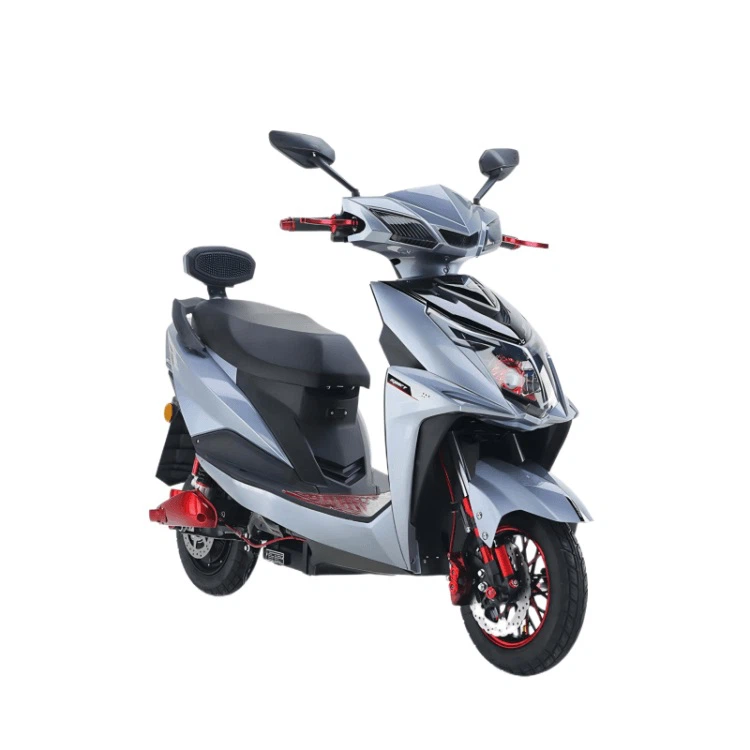
The Adult Fashion Electric Motorcycle Scooter is a beast. With a 60V, 20Ah battery (1200Wh) and a 1000W motor, it offers more power and speed. On a single charge, it can cover 40 - 50 miles on relatively flat ground. But this high - performance scooter really drinks the battery when you're pushing it to its limits, such as high - speed rides or climbing steep hills.
Estimating Cost of Power Consumption
To figure out how much it costs to charge your electrical scooter, you need to know the electricity rate in your area. Electricity is usually billed in kilowatt - hours (kWh). Let's say your electricity rate is $0.15 per kWh.
If you have a 480Wh battery like the G5 Electric Scooter, you're looking at 480Wh = 0.48kWh. So, it'll cost you 0.48 x $0.15 = $0.072 to fully charge the battery.
The Little Turtle King Electric Scooter with a 288Wh battery (0.288kWh) will cost 0.288 x $0.15 = $0.0432 to charge.
For the Adult Fashion Electric Motorcycle Scooter with a 1200Wh battery (1.2kWh), the charging cost is 1.2 x $0.15 = $0.18.

Tips to Reduce Power Consumption
If you're looking to make your electrical scooter more energy - efficient, here are some tips:
- Smooth Riding: Avoid sudden acceleration and braking. Gradual acceleration and deceleration use less power.
- Tire Pressure: Keep your tires properly inflated. Under - inflated tires create more rolling resistance, which makes the motor work harder.
- Check the Load: Don't carry unnecessary items on your scooter. The lighter the load, the less power is needed to move it.
- Terrain Selection: Whenever possible, choose flat roads over hilly ones. If you do have to go uphill, try to maintain a steady speed instead of accelerating hard.
Why Choose Our Electrical Scooters?
We take pride in offering high - quality electrical scooters with reasonable power consumption. Our scooters are designed to balance performance and energy efficiency. Whether you're a daily commuter or just looking for a fun way to get around, we have a scooter that suits your needs.
If you're interested in learning more about our electrical scooters or their power consumption, or you're thinking about making a purchase, don't hesitate to reach out to us. We're here to help you find the perfect scooter for your lifestyle and budget. Let's start a conversation about how we can meet your transportation needs!
References
- "Electric Vehicle Technology Explained" by James Larminie and John Lowry
- Various industry reports on electrical scooter performance and power consumption